Moving to Japan is exciting — but packing for Japan requires thinking beyond the standard "clothes + laptop" checklist. Japan has unique climate patterns, different electrical standards, a cash-first culture, and strict import rules. This complete packing guide covers everything you need and a few things you absolutely should NOT bring.
The Golden Rule of Packing for Japan
Japan has excellent, affordable shopping options for most daily items. You do NOT need to pack everything from India. Focus on: (1) items that are expensive or hard to find in Japan, (2) essential documents, (3) medications, and (4) sentimental/cultural items. Leave space in your luggage for things you'll buy in Japan.
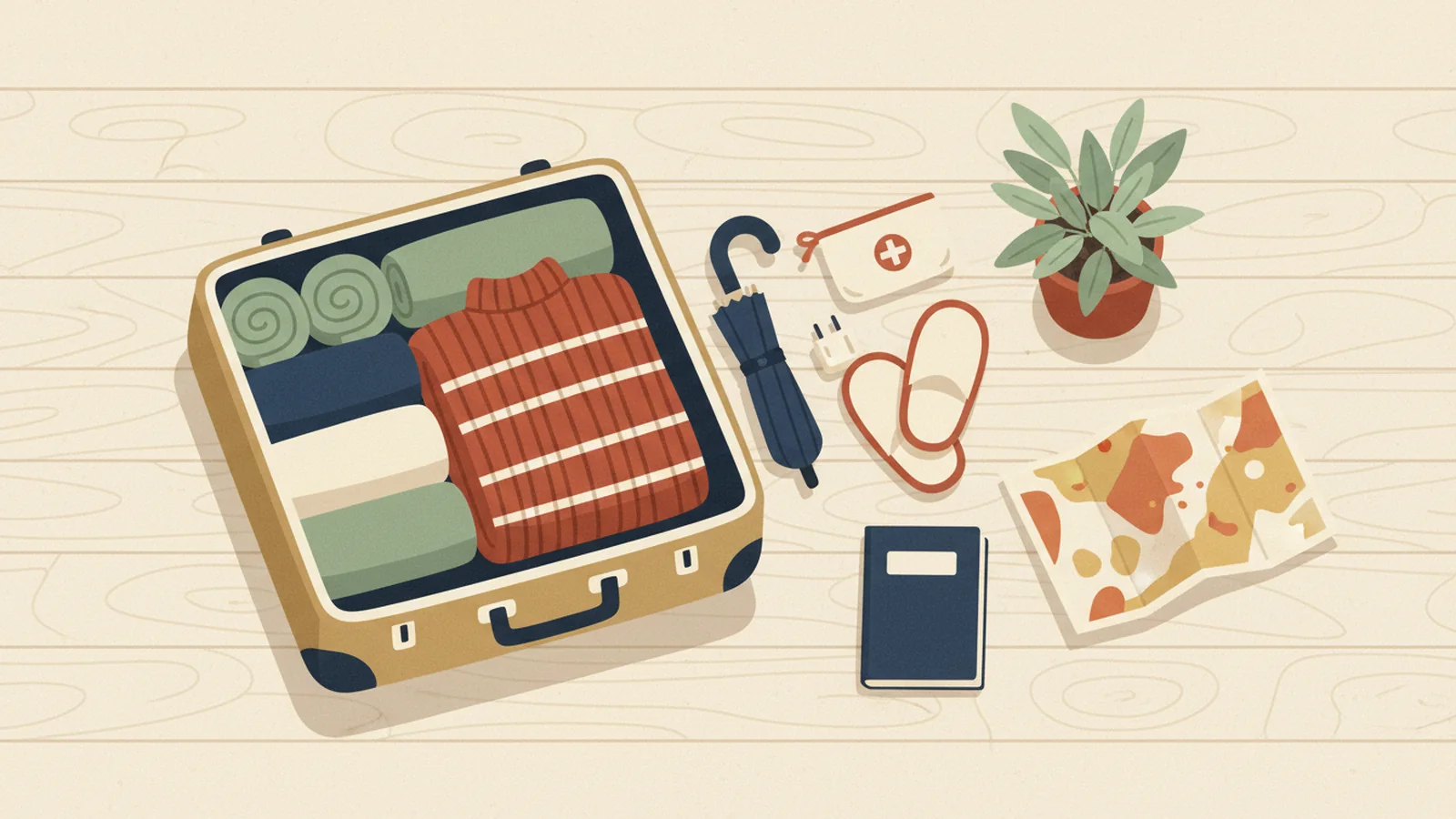
Complete Packing Checklist
| Category | Essential Items | Priority |
|---|---|---|
| Documents | Passport, Visa, Certificate of Eligibility (CoE), University acceptance letter, 10th/12th mark sheets (notarized), birth certificate, 10 passport photos | 🔴 Critical |
| Money | Cash in JPY (at least ¥100,000 for first week), international debit card, credit card (Visa/Mastercard) | 🔴 Critical |
| Electronics | Laptop, phone and their chargers (most accept 100–240V, so they work on Japan's 100V without a converter — check the label; appliances that only take 230V need one), plug adapter (Japan uses two flat pins, Type A, not Indian round-pin plugs) | 🔴 Critical |
| Medications | Up to one month's supply of your prescription medication (bringing more needs an import certificate, the Yunyu Kakunin-sho, before you fly; amphetamine medicines such as Adderall are banned, and narcotic painkillers need a separate permit), brand-name medicines (many Indian brands unavailable in Japan), OTC tablets (paracetamol, antacids) | 🔴 Critical |
| Clothing | Warm jacket for winter, light layers for spring/autumn, umbrella (Japan's rainy season is intense), formal clothing for university interviews | 🟠 High |
| Indian Spices & Food | Dal, rice, basic Indian spices (cumin, coriander, turmeric), ready-to-eat instant Indian meals for first week, achaar | 🟠 High |
| Personal Care | Indian-brand soap/shampoo if preferred (Japanese products may not suit all skin types), sunscreen (high SPF — Japanese sun is harsh in summer) | 🟡 Medium |
| Study Materials | Japanese phrasebook, kanji study cards, notepad for language notes, pen drive with important documents | 🟡 Medium |
| Comfort Items | Family photos, small deity/prayer items (important for mental wellness), regional snacks from home for the first weeks | 🟢 Nice to have |
What NOT to Bring to Japan
Some items are restricted or simply unnecessary:
Certain medications
Pseudoephedrine, codeine, and some stimulants are controlled substances in Japan. Import them and face arrest. Check the MHLW Japan website.
Any weapons or sharp tools
Japan has among the world's strictest weapons laws. Even certain kitchen knives require special permits to import in checked baggage.
Your Indian SIM for daily use
Your Indian SIM only works in Japan on international roaming, which gets expensive fast (keep it active if your bank sends OTPs to it). Buy a Japanese SIM or eSIM on arrival (airport counters or Amazon Japan).
Full-size toiletries
Japan's convenience stores and 100-yen shops (ダイソー, Daiso) have everything for a fraction of what you'd pay in India for imported goods.
Indian streaming devices
Netflix, Hotstar, Disney+ have region restrictions. VPN + your existing subscriptions work fine; don't pack a set-top box.
Meat/dairy products
Japanese customs forbids importing most animal products from India due to biosecurity. Declared items will be confiscated at the airport.
First Week in Japan — What to Buy on Arrival
Arrival Shopping Priority Queue
SIM Card
Airport counters (IIJmio, Softbank, Docomo) or buy online before arrival with pickup at airport. Data plan: ¥1,500–3,000/month.
IC Card (Suica / Pasmo)
Buy at any JR station ticket machine. Load ¥3,000–5,000 to navigate trains and buy food at konbini (works as digital wallet).
Basic Household Items
Visit Daiso (100-yen shop) for kitchen items, cleaning supplies, hangers, stationery. ¥5,000–10,000 covers most basics.
Rice Cooker + Basic Kitchen
Second-hand shops (リサイクルショップ, recycle shops like Book-Off, Hard-Off) sell rice cookers for ¥500–2,000. Essential for Indian cooking.
Bank Account (Japan Post Bank)
Japan Post Bank (ゆうちょ銀行) is easiest for new arrivals with minimal paperwork. Bring residence card (在留カード) and My Number card if issued.
Seasonal Clothing Guide for Japan
| Season | Temperature Range | What to Wear |
|---|---|---|
| Spring (March–May) | 8°C–22°C | Light jacket + layers; rain jacket (April is rainy); T-shirts with cardigan |
| Summer (June–August) | 28°C–38°C | Breathable cotton only; UV protection umbrella (mandatory); avoid black clothing; Japan's humidity is brutal |
| Autumn (September–November) | 12°C–25°C | Light jacket; sweaters; jeans; most comfortable season for walking |
| Winter (December–February) | 0°C–12°C (Tokyo); -10°C (Hokkaido/Tohoku) | Heavy coat; thermal inner layers; gloves; scarf; warm boots |
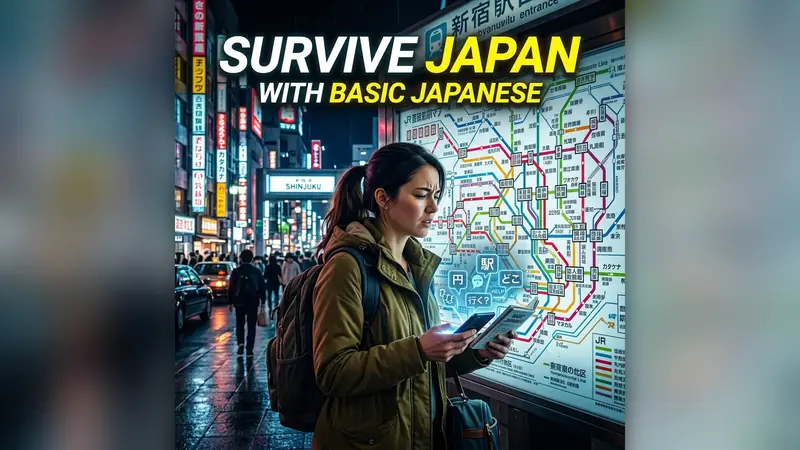
🗣️ Learn Japanese Before You Arrive:
Knowing even basic Japanese phrases before your arrival makes navigating the airport, finding your accommodation, and the first week infinitely easier. Start with the LenGaki N5 study path today.