India and Japan may both be ancient civilizations with deep cultural pride — but the daily lived experience in Japan will shock most Indians in unexpected ways. Some differences are delightful surprises; others require genuine adaptation. This guide covers the most significant culture shocks and how to navigate them gracefully.
Culture Shock is Normal
Culture shock follows a predictable cycle: Honeymoon phase → Frustration phase → Adjustment phase → Adaptation phase. Most Indians experience the honeymoon phase for 1–3 months (Japan is amazing!), followed by frustration (why does everything work so differently?), and eventually genuine appreciation and adaptation.
Culture Shock Comparison: India vs. Japan
| Life Aspect | India Norm | Japan Norm |
|---|---|---|
| Punctuality | Meetings/events often 15–30 minutes late is socially acceptable ('IST = Indian Standard Time' jokes) | Being 1 minute late is considered rude. 5 minutes early is expected. Trains run on the second. |
| Noise levels | Vibrant, loud streets; honking is constant; vendors shout; shops play loud music | Profound public silence. Streets are quiet. People speak softly. No car horns in residential areas. |
| Queuing | Queue-jumping is common; aggressive jostling for buses/trains | Queuing is sacred. People wait calmly in perfect lines, often with no enforcement needed. |
| Direct communication | Direct 'No' is normal; debates and disagreements are open | Indirect refusal ('It's a bit difficult' means No). Direct confrontation is avoided. Criticism is very subtle. |
| Hospitality | Guests are fed immediately, often insisted upon eating more | Hospitality is formal — host asks permission before offering; guest often initially declines (polite refusal = first offer) |
| Eye Contact | Direct eye contact shows confidence and sincerity | Prolonged eye contact can feel aggressive. Japanese look away to show respect and attentiveness. |
| Personal Space | Physical proximity in conversation is normal; touching is common | Physical distance is maintained. Touching (even handshakes) outside formal contexts is uncommon. |
| Bargaining | Haggling at markets, auto-rickshaws, and smaller shops is expected | Price tags are final. Bargaining in any store is considered rude and causes embarrassment. |
| Cleanliness | Streets can be messy; personal hygiene standards vary regionally | Japan is obsessively clean. No littering ever. Cleaning your workplace before leaving is standard. |
The 5 Biggest Shocks Indians Experience in Japan
1. The Absolute Silence in Public Spaces
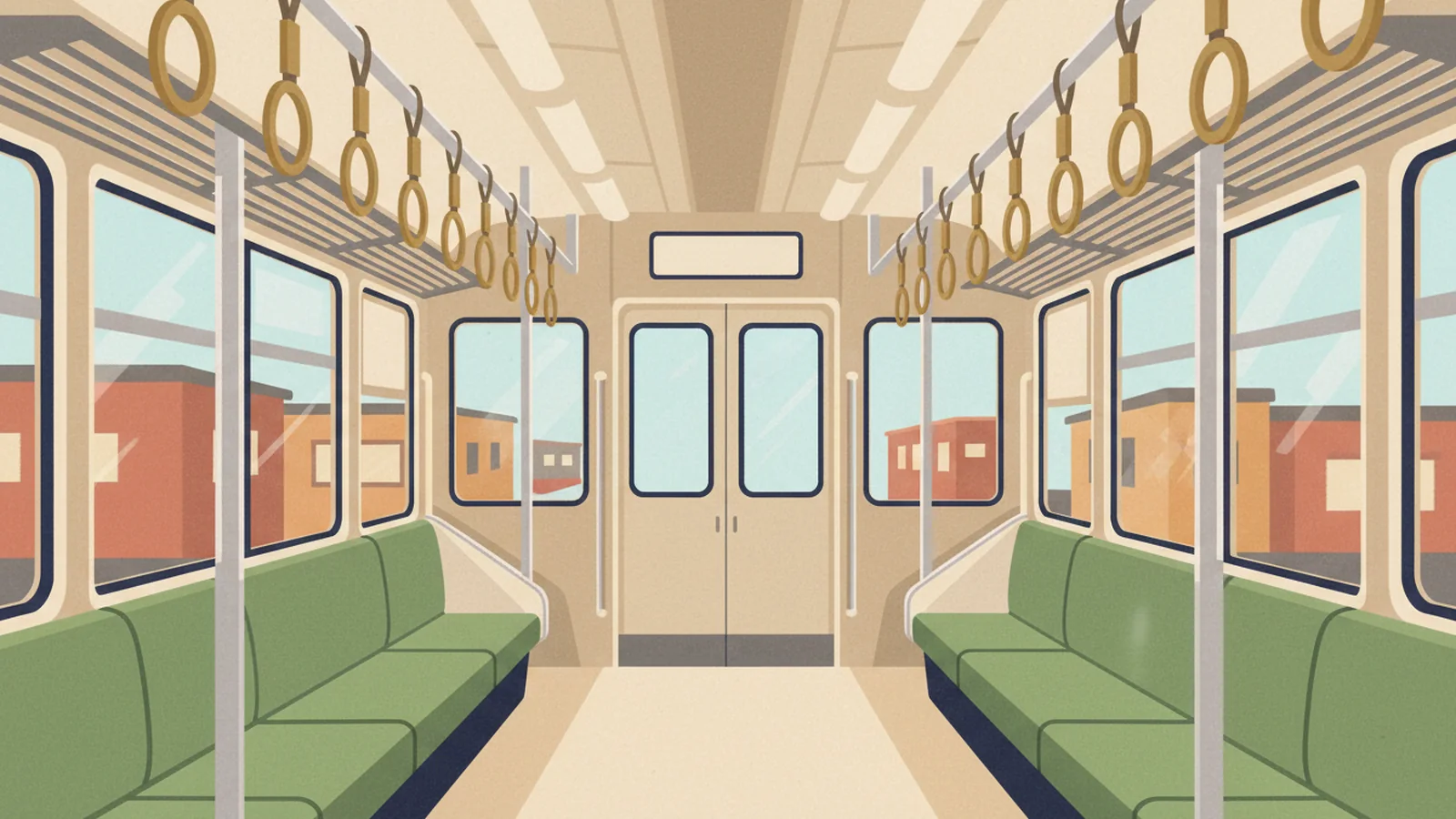
Nothing prepares you for the silence of a Tokyo rush-hour train packed with 500 people. No conversations, no phone calls, no music from speakers — just the sound of the train itself. For Indians used to vibrant, noisy public spaces, this can feel eerie at first. Within a month, most find it remarkably peaceful.
2. "Omotenashi" — Hospitality Without Expectation
Japanese service culture (おもてなし, omotenashi) is unlike anything else in the world. Shopkeepers bow to you. Hotel staff carry your bags without expecting tips. Restaurant staff apologize repeatedly for minor delays. This warm, unconditional service is addictive — and returning to India's often-indifferent service culture is genuinely jarring.
3. The Complexity of Social Rules
Japan has hundreds of unspoken social rules covering everything from how to hand business cards (両手で, ryōte de — with both hands), to which side of the escalator to stand on, to how to refuse a social invitation without causing offense. Violating these rules doesn't usually result in confrontation — instead you receive polite silence, which can be confusing.
4. Cash is King (Despite Being One of the World's Largest Economies)
Japan's love of cash will genuinely surprise most urban Indians used to UPI and digital payments everywhere. Many restaurants, shrines, small shops, and vending machine operators only accept cash. Always carry ¥10,000–20,000 in cash.
5. Loneliness Despite Being Surrounded by People
Japan has a documented loneliness epidemic (kodoku — 孤独, loneliness). Japanese social circles are very closed, especially to foreigners. Despite being in one of the world's most densely populated cities, many Indian students report feeling profoundly isolated, especially in the first 6 months. This is normal and passes — building friendships takes time and language skills.
The Culture Shock Adaptation Cycle
Phase 1: Honeymoon (Month 1–3)
Everything is amazing. Sakura, sushi, convenience stores, punctual trains. Japan is perfect. Life is wonderful. You post 50 Instagram stories per week.
Phase 2: Frustration (Month 3–6)
Language barrier becomes exhausting. Bureaucracy is impenetrable. Miss Indian food intensely. Japanese colleagues seem distant. Homesickness peaks.
Phase 3: Adjustment (Month 6–12)
Developing routines. Making friends (finally). Japanese comprehension improves. Navigating daily life becomes second nature. Beginning to appreciate the 'different' aspects.
Phase 4: Adaptation (Year 1+)
Japan starts feeling like home. Indian habits blend with Japanese ones. Deep friendships form. Return visits to India feel surprisingly chaotic and loud.
Positive Culture Surprises — Things India Can Learn from Japan
- Lost items are returned: Wallets full of cash left on trains are regularly handed in to police. Japan's lost-and-found system is extraordinary.
- Safety everywhere: Women walk alone at 3 AM without concern. Crime rates are among the world's lowest.
- Environment consciousness: Zero littering culture. Recycling is taken seriously. Nature is respected deeply.
- Work ethic: Japanese attention to detail and dedication to craft (the concept of 道, dō — "way") is world-famous. Every job is taken seriously.
- Vending machine magic: Hot soup, ice cream, fresh-pressed orange juice, umbrellas — from vending machines on every street corner, 24 hours a day.
🌏 Bridge the Culture Gap with Language:
Understanding Japanese culture at a deep level requires understanding the language. Every Japanese idiom, honorific level, and particle reflects centuries of cultural values. Start your Japanese journey with LenGaki and begin to truly understand Japan.