What does a typical day in Japan actually look like? Beyond the tourist highlights, daily life in Japan has a unique rhythm — punctual, orderly, convenience-rich, and deeply layered with social customs. This guide walks you through a full day in Japan, from morning routines to nightlife, covering the systems and habits that shape everyday Japanese life.
Life Runs Like Clockwork in Japan
Japan's daily infrastructure is designed around precision and convenience. Trains arrive to the second. Convenience stores are open 24/7 and serve as post offices, ATMs, restaurants, pharmacies, and printing centers. Understanding this system makes daily life dramatically easier.
A Typical Day for a Student in Japan
Japan's culture prizes early rising. Many students wake by 7 AM. Mornings in Japan are quiet and peaceful — even in Tokyo, residential areas are calm before 8 AM.
Quick shower, light breakfast (toast, yogurt, onigiri from konbini, or instant miso soup). Japanese breakfast culture varies — convenience store food is extremely popular among students.
Train or bicycle to university. Rush hour trains (7:30–9:00 AM) are densely packed but orderly. Everyone in headphones, everyone silent. Arrive exactly on time.
University classes typically run 90 minutes with 10-minute breaks between. Attendance tracked digitally. Professors teach in formal Japanese; take detailed notes.
University cafeterias offer full meals for a few hundred yen. Lines form but move quickly. Alternatively, buy from a convenience store: onigiri + miso soup + karaage costs well under ¥1,000.
More classes or dedicated study time in the library. Japanese university libraries are quiet, modern, and open late. Study groups are common but quiet.
University clubs (sports, music, cultural) meet 2–3 times per week. Primary social life for most students. Critical for making Japanese friends.
Many students work 3–5 evenings per week. Alternatively, head home, cook dinner, study. Japanese students often eat late — dinner at 7–9 PM is standard.
Homework, language study, SNS, streaming content. Japanese students are heavy users of YouTube and Netflix. Late-night konbini runs for snacks are culturally normal.
Japan has some of the shortest average sleep times among OECD countries. University work, part-time jobs, and club activities create busy schedules. Aim for 7+ hours.
The Convenience Store (コンビニ) — Japan's Greatest Invention
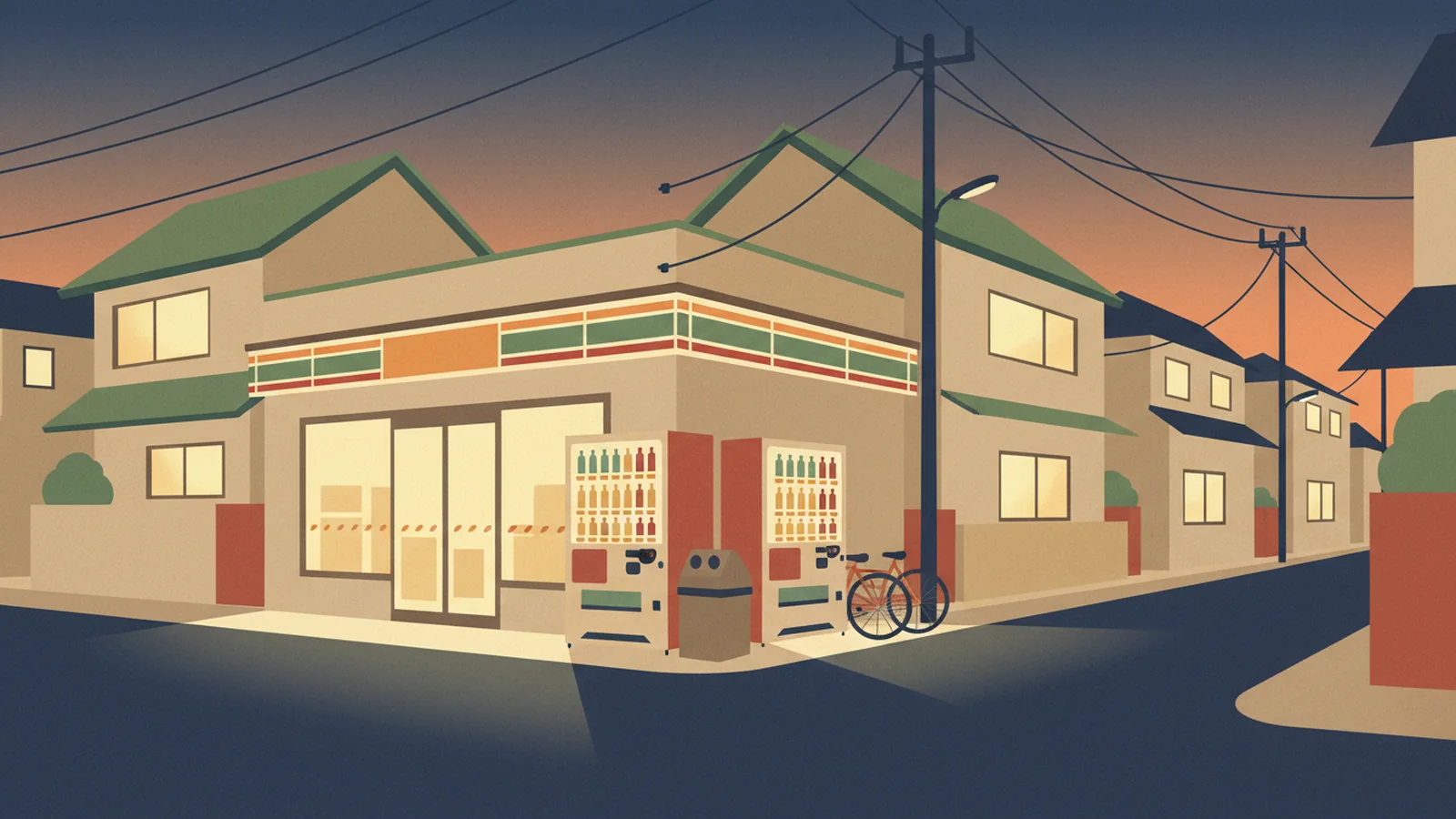
The Japanese convenience store (7-Eleven, FamilyMart, Lawson) is so much more than a store. It is the backbone of daily life in Japan. Here's what you can do at a Japanese konbini:
Fresh food 24/7
Freshly made onigiri, hot oden, sandwiches, bento boxes, salads, hot drinks, ice cream — most items for under ¥500.
ATM (international cards work!)
7-Bank ATMs accept almost all international cards. Japan Post ATMs also work. Withdrawal fee: ¥110–330.
Printing & Scanning
Upload documents from your phone and print from any konbini. Print resumes, photos, maps. Black-and-white pages cost about ¥10–20 each; colour costs more.
Package Pickup & Shipping
Receive Amazon deliveries at konbini. Ship packages domestically (Yamato or Sagawa). International shipping also available.
Bill Payment
Pay utility bills, university fees, and even some government fees at the konbini counter. Extremely useful since Japanese bills often come as paper.
Event Tickets
Buy concert, sports, and theme park tickets from the Loppi machine (Lawson) or FamilyMart's multi-copy machine.
Weekly Calendar of a Typical Japanese Student
| Day | University | Club/Social | Part-Time Job |
|---|---|---|---|
| Monday | 3–4 classes | Club meeting (5–7 PM) | — |
| Tuesday | 2–3 classes | Language exchange partner | Baito 6–10 PM |
| Wednesday | 3–4 classes (seminar) | — | Baito 5–9 PM |
| Thursday | 2–3 classes | Club meeting (5–7 PM) | — |
| Friday | 1–2 classes | Nomikai (drinking party) or group dinner | Baito 7–11 PM |
| Saturday | Self-study / research | Day trip / friend activities / shopping | Baito 10 AM–6 PM |
| Sunday | Self-study / report writing | Rest, cooking, errands, temple visits | Baito (optional) |
Essential Japanese for Daily Life
| Japanese | Meaning | Where you'll use it |
|---|---|---|
| 〜はどこですか? | Where is ~? | Finding stations, toilets, exits, shops |
| 〜をください | Please give me ~ | Ordering food at restaurants or convenience stores |
| 〜円になります | That will be ~ yen | Understanding checkout totals |
| クレジットカードは使えますか? | Can I use a credit card? | Checking payment options before queuing at cash-only shops |
| 袋はいりません | I don't need a bag | Refusing plastic bags (common green practice in Japan) |
| 遅刻してすみません | I'm sorry I'm late | Crucial for when you arrive late (even 2 minutes) to class or work |
🗓️ Prepare for Daily Life with LenGaki:
The more Japanese you know, the richer your daily experience in Japan becomes. From reading menus to understanding your professors to making friends — Japanese language is the master key to daily life in Japan. Start now with LenGaki's free speaking practice (its Daily Life topic has 25 everyday sentences) and the roadmap from kana to JLPT N5.