N4 is a continuation. N3 is a different exam. The books that carried you through beginner Japanese stop being enough somewhere in that gap, and the usual symptom is a learner who knows plenty of grammar and still cannot finish the reading section in time.
Công khai liên kết tiếp thị. LenGaki là thành viên của Chương trình Amazon Associates. Nếu bạn mua hàng qua một liên kết trong trang này, chúng tôi có thể nhận một khoản hoa hồng nhỏ mà bạn không phải trả thêm chi phí nào. Chúng tôi chỉ giới thiệu những cuốn sách mà dù sao chúng tôi cũng sẽ khuyên học viên mua, và không ai trả tiền để được chúng tôi giới thiệu.
The short answer
N4: finish your beginner textbook, add So-matome grammar, keep a reference to hand. N3: switch to Shin Kanzen Master and start reading real material daily. The switch is the point of this article.
What actually changes at N3
The numbers tell part of it — roughly 3,700 words and 650 kanji, against N4’s 1,500 and 300. But the harder change is qualitative.
- Vocabulary stops being concrete. N5 and N4 words are things you can point at. N3 words are 影響, 状況, 判断 — abstract, and arriving in clusters of near-synonyms that the exam asks you to tell apart.
- Grammar becomes nuance. N4 grammar changes what a sentence means. N3 grammar changes how it feels, and rarely has a clean English equivalent.
- Furigana disappears. You are expected to read compounds cold.
- Reading gets long. Multi-paragraph argument, with questions about the author’s attitude. Speed becomes the binding constraint.
Which is why the beginner-textbook approach — one book, worked through in order — stops being sufficient. At N3 you need a grammar book, a reading habit, and a way to handle vocabulary volume.
For N4
Nihongo So-matome N4 Grammar
N4Six weeks, two pages a day. The gentlest structured route through N4 grammar.
- Phù hợp nhất với:
- A first structured pass at N4 grammar.
- Nhận xét của chúng tôi:
- Two pages a day for six weeks. The format is the value — it is gentle enough that people actually finish it, and finishing a modest book beats abandoning a thorough one.
A Dictionary of Basic Japanese Grammar
referenceMakino & Tsutsui
The reference every serious learner ends up owning. Alphabetical by pattern, with contrast notes.
- Phù hợp nhất với:
- The reference you start needing exactly at N4.
- Nhận xét của chúng tôi:
- N4 is where patterns begin looking interchangeable. This is the book that tells you why ので is not から. Buy it once and keep it for years.
Every N4 grammar point is on LenGaki with its structure, examples and a comparison against the patterns it is most often confused with — the same contrast work the books do, free.
See all 139 N4 pointsFor N3: make the switch
Shin Kanzen Master N3 Grammar
N3Denser and stricter than So-matome, with far more practice. The standard step up at N3.
- Phù hợp nhất với:
- N3 grammar, and preparation for how N2 is written.
- Nhận xét của chúng tôi:
- Denser, stricter and with far more practice than So-matome. Most learners who stall at N3 stalled because they stayed on a gentler series too long. This is the step up.
The N3 trap
Flashcards work at N5 and N4 because the mapping is roughly one word to one meaning. At N3 it is many-to-many: 状況, 状態, 事情 and 場合 all translate as “situation”, and the exam asks which one fits.
A card that says 状況 = situation is true and useless. Learn N3 vocabulary in sentences and in contrast sets, or buy a book that presents them that way — not more cards.
The book nobody tells you to buy: a graded reader
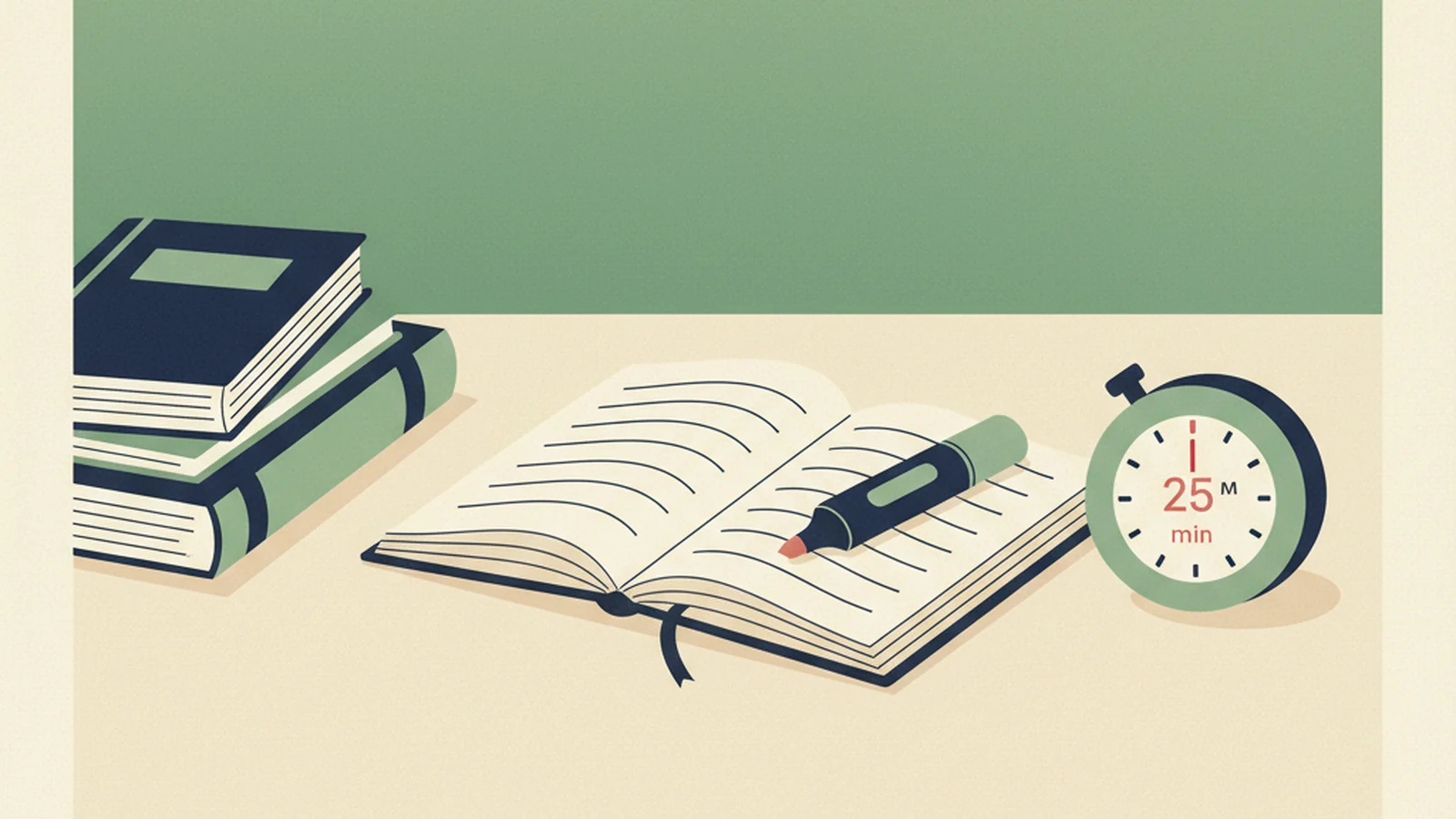
The single biggest lever at N3 is reading volume, and it is the thing most learners skip because it does not feel like studying. Twenty minutes a day of material slightly below your comfort level does more for your reading speed than any grammar drill.
Graded readers, NHK Easy News, or manga with furigana all work. The requirement is that it is easy enough to read without stopping — if you are looking words up every sentence, it is too hard to build speed on.
Months 1–3
Vocabulary and kanji volume. Learn in sentences. Start the daily reading habit now, not later.
Months 4–6
Grammar in contrast sets with Shin Kanzen Master. Add listening at full speed — N3 audio is noticeably faster.
Months 7–9
Timed papers, section by section. Fix whichever section the mock exposes. No new material in the last fortnight.
What not to buy
- Both So-matome and Shin Kanzen Master at the same level. Pick one per level. The overlap is large and the time is better spent reading.
- An N2 book while sitting N3. Finish the level you are on. Looking ahead is procrastination that feels like ambition.
- Another vocabulary list. You do not have a list problem at N3, you have a recall problem. More words on paper will not fix it.
Học N3 trên LenGaki
Toàn bộ nội dung trong trang này đều có sẵn để học
- 7.788 từ vựng JLPT, từ N5 đến N1, kèm cách đọc và âm thanh (N5 miễn phí)
- 2.057 chữ Kanji kèm âm On, âm Kun và luyện thứ tự nét
- 445 mẫu ngữ pháp kèm ví dụ và so sánh các mẫu dễ nhầm
- Đề thi thử N5 và N4 đầy đủ, có tính giờ, kèm bài nghe thật (bộ đề N5 số 1 và 2 miễn phí)

Tải ứng dụng Android
XP, chuỗi ngày học và lộ trình của bạn được đồng bộ giữa trang web này và ứng dụng, nơi có thêm tính năng học ngoại tuyến và tiện ích màn hình chính trên điện thoại.
Xem ứng dụng ›The summary
At N4, finish your textbook and add So-matome plus a reference. At N3, switch to Shin Kanzen Master, learn vocabulary in contrast sets rather than on cards, and read every day. N3 is the last level that feels like a wall — the habits you build for it are what carry you through N2.